Estimated reading time: 6 minutes
From Skeptic to Devotee: My Transformative Journey into Meditation
Estimated reading time: 8 minutesImagine a life where your thoughts no longer control you, where inner peace is not just a concept but a daily...
Continue Reading...
The Identity Crisis That Nearly Destroyed Me
Estimated reading time: 7 minutesOver a decade ago, I felt that heaviness in my heart. You know the one. That weight that sits on your...
Continue Reading...
Burnout Isn’t Fixed by Another Dental Course
For years I booked courses, chased experts, flew to conferences. I told myself it was about excellence. But somewhere between London and Seattle, I had...
Continue Reading...
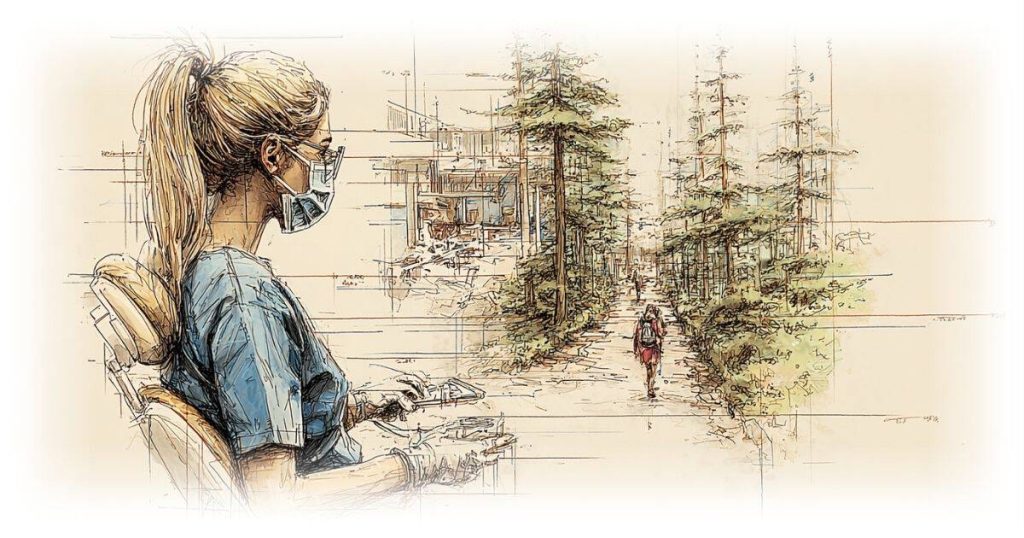
From 22 Years Chairside to Coaching — The Hybrid Model
Part I: How I Got Here I didn't plan to become a coach. I crashed. Twenty-two years in, my body simply said no. What came...
Continue Reading...
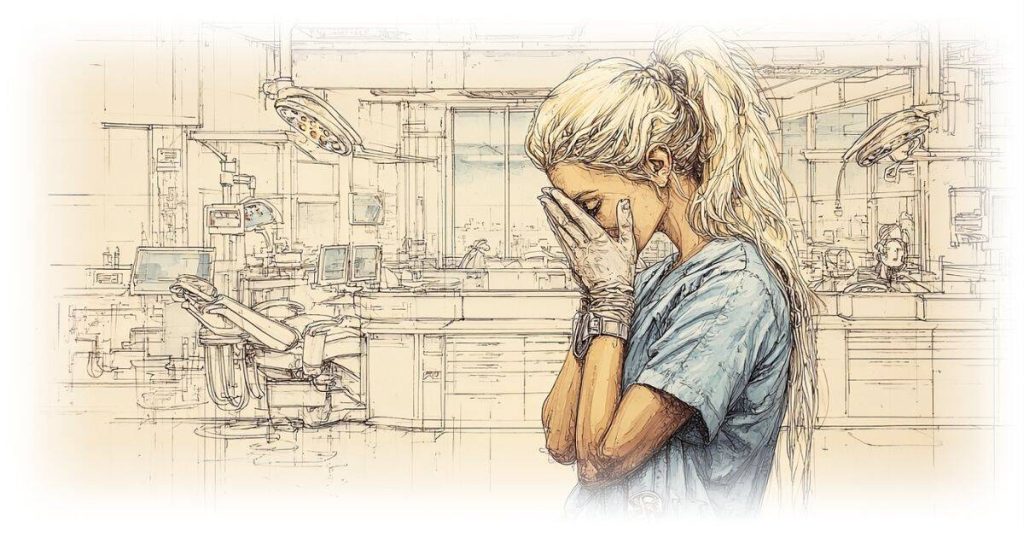
The Identity Piece Nobody Warns You About
Part II: The Grief, the Stigma, and the Different Kind of Dentist. The grief surprised me. So did the stumbling explanations, the imposter syndrome, the...
Continue Reading...
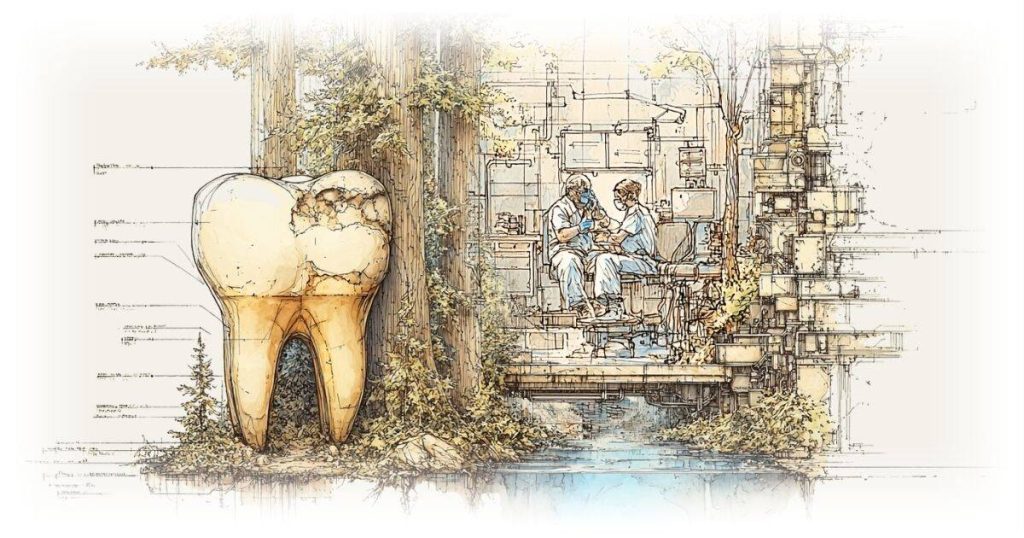
You’ve Diagnosed 10,000 Cavities but Missed the One Eating Away at You
You catch everything in your patients. The sneaky decay, the early signs, the things nobody else notices. But later that night, you're the one crumbling....
Continue Reading...
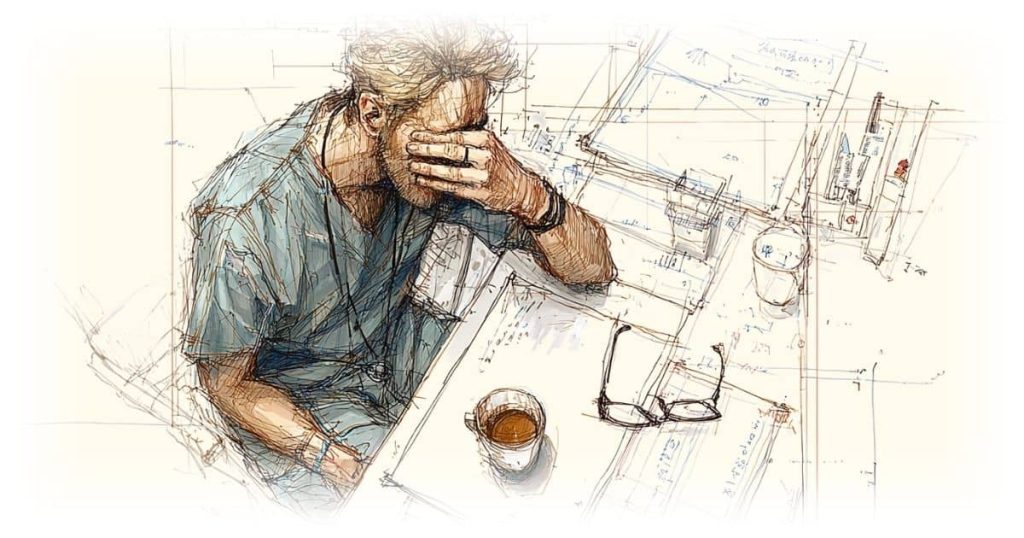
The Most Dangerous Sentence in Dentistry
I said it for three years before I dropped my handpiece. Not metaphorically. Literally. Mid-session. Hand trembling. Patient waiting. That was 2013 — and I...
Continue Reading...
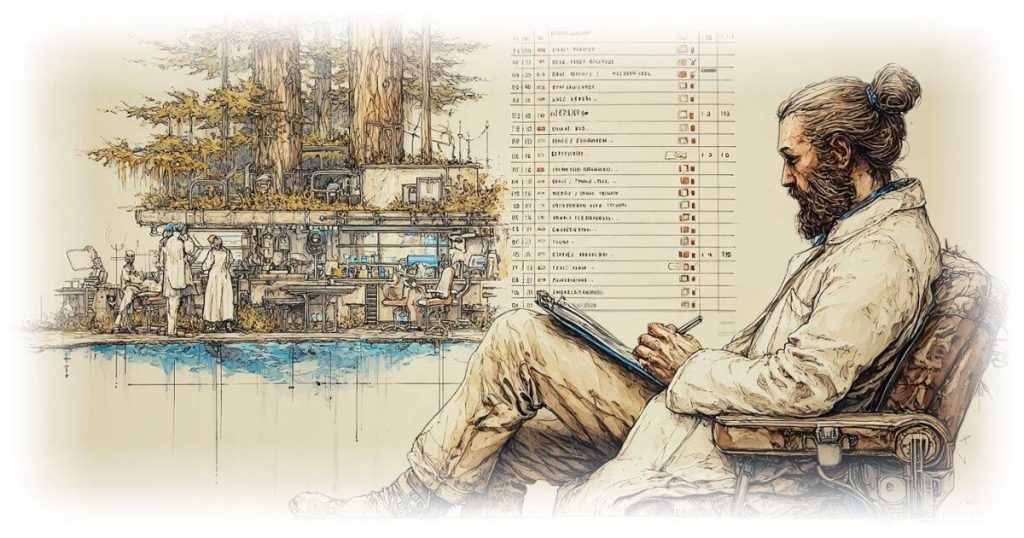
The System Was Never Designed for Your Wellbeing
There is a conversation happening in dentistry about burnout. More webinars. More wellbeing resources. And I need to say something that conversation keeps skirting: the...
Continue Reading...
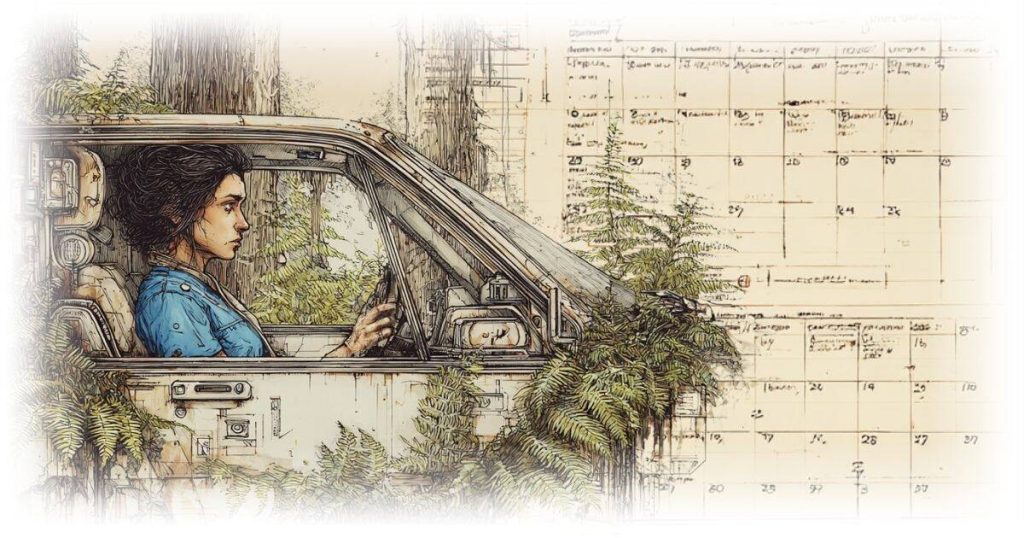
The Sunday Dread: When Your Body Knows First
It usually arrives around 9pm on a Sunday. Not dramatic. Not a panic attack. Just a tightening. A shift in the quality of an evening...
Continue Reading...
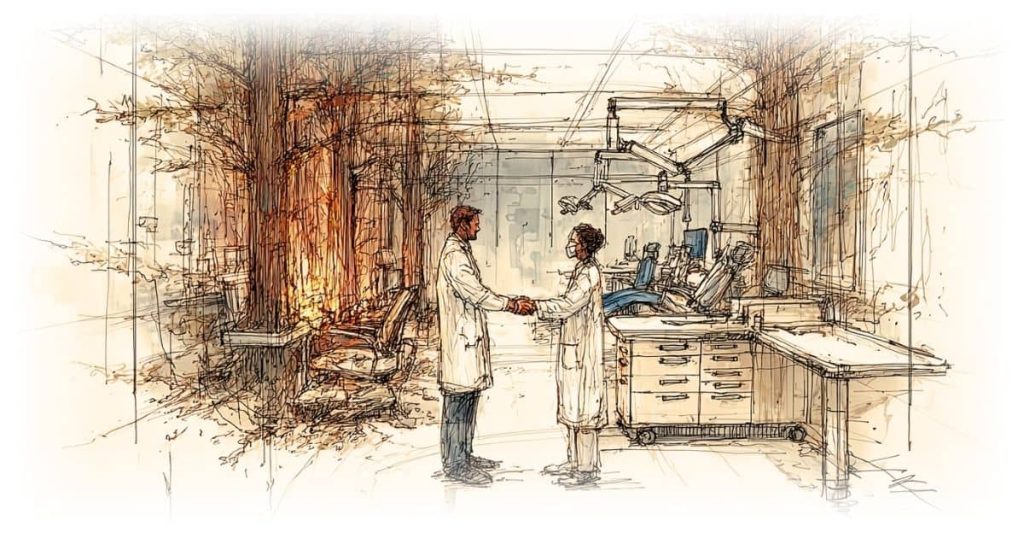
The Competence Trap
The better you are, the longer it takes to break. And the longer it takes to break, the worse the damage when it finally happens....
Continue Reading...
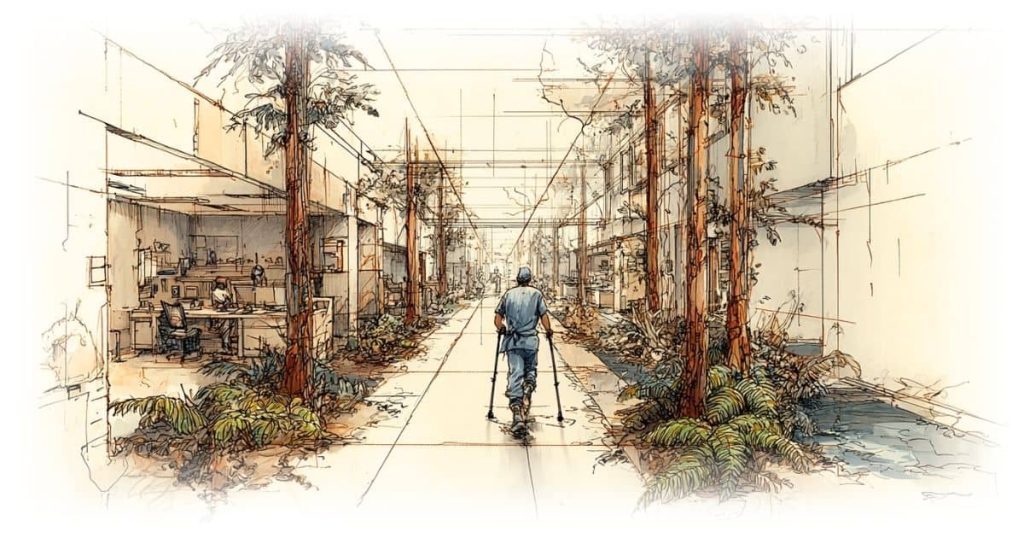
What Recovery from Burnout Actually Looks Like
Recovery from burnout does not happen in a weekend workshop. I say this not to discourage you, but because false timelines are one of the...
Continue Reading...
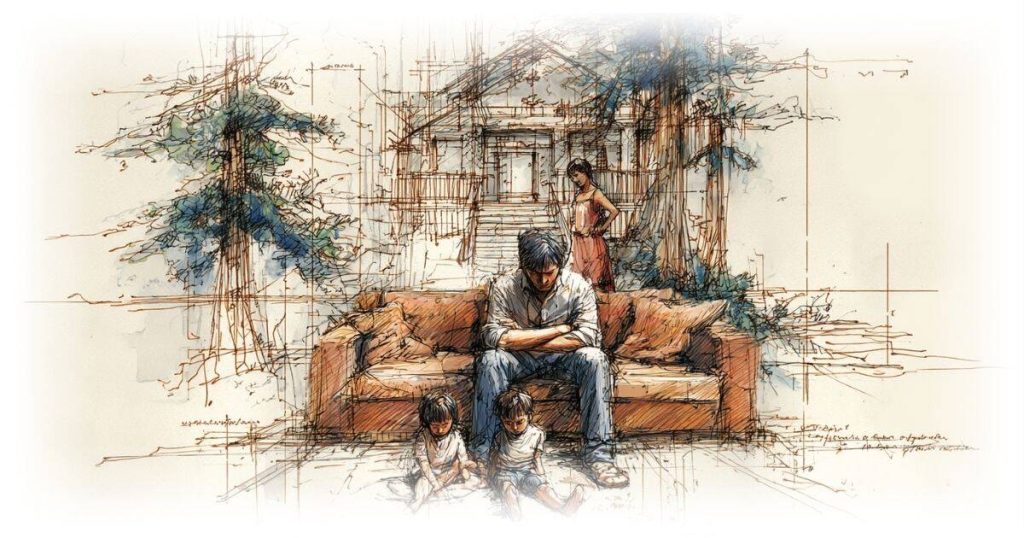
How Burnout Shows Up at Home
You finish a session and drive home. At some point on that journey you perform a transition. You put away the dentist. You pick up...
Continue Reading...